How Long Paint Protection Film Lasts on Texas Roads
There isn't one number for PPF life, but there are clear reasons some films age faster than others, and most of them are about the road and the owner.
October 12, 2026 · 4 min read
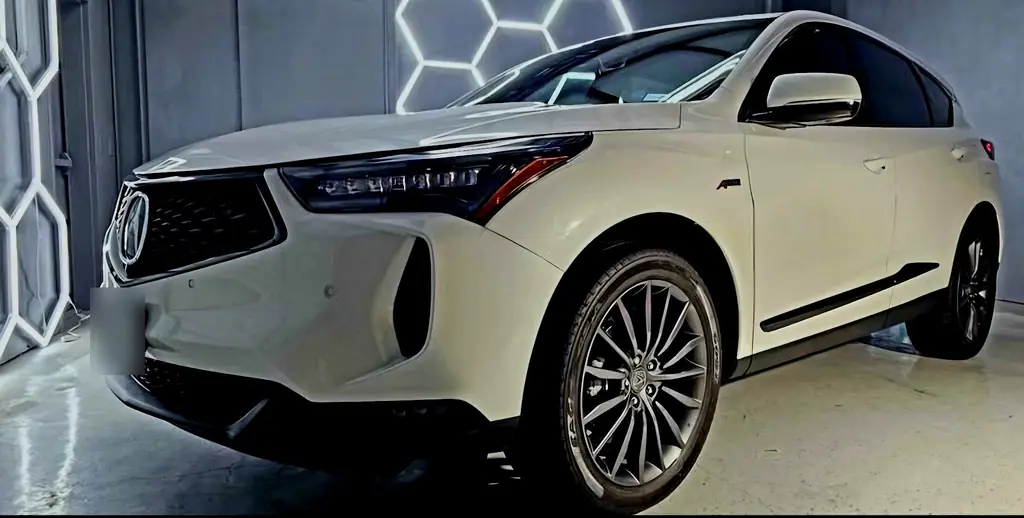
Ask five people how long paint protection film lasts and you will get five numbers. Some of them are right for the car in question. None of them is right for yours until someone looks at how and where you drive.
We won't put a number on it here, because the film, the installer, the car, and the owner all move the answer. What we can do is tell you what actually wears film out on North Texas roads, and what you can do about it.
What film is for
Paint protection film is a clear, flexible layer applied over paint. Its job is physical: it takes the hit instead of your clear coat. Gravel, road grit, a shopping cart nudge, the edge of a car door in a tight parking space. Ceramic coating can't do that work. A coating is a thin chemical layer that makes paint slick and easy to clean. Film is a thicker, tougher shield that sits on top of the paint, which is why it goes on the places that take abuse.
Where we see it earn its keep most is the front of the car: the leading edge of the hood, the bumper, the fenders, the mirrors, and the rocker panels along the sides. On a drive down I-35 or the toll roads, those are the panels that get sandblasted by whatever the truck ahead of you throws off.
What wears film on Texas roads
- Highway grit and gravel. Constant small impacts on the front end are the main job film does, and also the main thing that ages it.
- Sun and heat. A car parked outside through a Texas summer takes more heat and UV than most. That is hard on every exterior material, film included.
- Contaminants left to bake on, like bird droppings, bug remains, and tree sap. Film resists them better than bare paint, but leaving them there for weeks is a poor bet.
- Rough washing. Brush tunnel washes and dry wiping scratch the surface of film just like they scratch paint.
- Pressure washers used too close. High pressure aimed at an edge can lift it, so keep the wand back and angle it away from seams.
Notice how much of that list is habits instead of roads. The same film on two identical cars can age very differently depending on whether one lives in a garage and gets hand washed, and the other sits outside and goes through a brush wash every Friday.
Why the install matters as much as the film
Film that is cut and laid carefully lasts better than film that is rushed. Panel prep comes first, because anything left on the paint ends up under the film. Then the edges: how they are wrapped, tucked, and finished decides whether dirt and water get a way underneath over time. Heat is part of the process, and it takes experience to know how far to stretch film around a curve without thinning it.
We're certified installers for leading brands like XPEL and System X, and our studio runs industrial-grade air filtration to keep dust off the panels while film goes on. Dust under film shows up as little bumps, and no amount of care later makes them go away.
Self healing and what that means
Some products are built to recover from light marking when they're warmed. REVIVIFY, one of the products we install, is described as flexible, heat-activated self-healing protection. In practice that means it's designed to recover from light marking when it's warmed. That helps with the fine marks a car collects, and it isn't a reason to be careless. A deep gouge is a deep gouge.
What we'd tell you about lifespan
The honest version goes like this. Film can protect a car for many years when it's installed well and looked after. How many years depends on the product, the conditions, and the care. Any installer who promises an exact figure without seeing your car and hearing how you use it is selling you something other than the facts. If a warranty matters to you, ask for it in writing for the specific film being installed, and read what it covers.
You can also stretch the life of film by pairing it with a coating. Coating the film after it is installed makes it slicker and easier to wash, so you're less tempted to scrub, and contaminants have a harder time sticking.
A simple routine that helps
Wash by hand with a pH-balanced soap and a clean microfiber mitt. Rinse bird droppings and bugs off soon. Park in shade or a garage when you can. Keep the pressure washer back from edges. Check the leading edges every so often, and if you see one lifting or collecting dirt, tell us early, since a small edge problem is a quick fix and a big one is not.
The paint protection film page covers where we install it and what to ask before you book. For a look at your own car, call the studio on (940) 465-8941 and tell us the year, make, and model.
ECOPAL Mobile Detail, (940) 465-8941
Call (940) 465-8941More articles
Why Paint Correction Comes Before Ceramic Coating
A coating is only as good as the paint underneath it, and sealing in swirl marks is the most expensive mistake an owner can make.
Ceramic Coating Care After You Collect the Car
A ceramic coating makes washing easier, but it doesn't make a car maintenance free, and a few habits decide how it ages.